
Luxury Candle Boxes with Inserts: Protection, Design & Unboxing
Designing luxury candle packaging requires balancing structural durability with high-end presentation. This technical guide explores precision die-cut inserts, rigid setup boxes, and tactile surface finishes, helping boutique candle makers protect fragile glass vessels against transit breakage, prevent wick smudging, and deliver an unforgettable unboxing experience that commands higher retail price points.

Awais M · Custom Packaging Specialist
Awais M helps small and mid-sized brands get custom packaging right — the box style, the material, the print finish, and the order quantity that actually fits the budget.
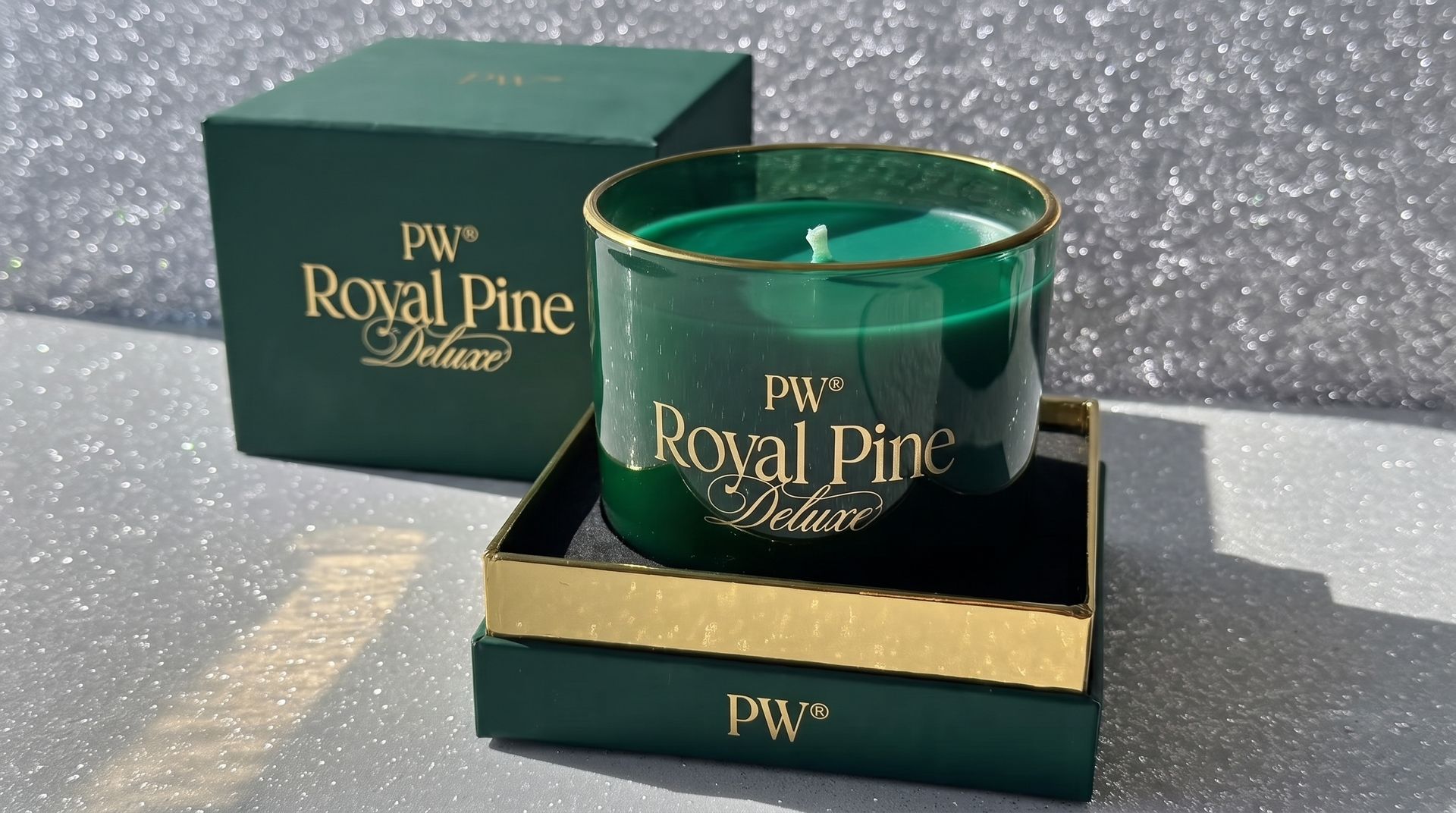
In the luxury home fragrance sector, the box is far more than a shipping container, it serves as an immediate reflection of the olfactory experience inside and a crucial indicator of product value.
To meet the high standards of luxury retail, custom candle packaging must execute three primary functions: provide absolute protection against glass shatter during courier transit, deliver a precise fit for custom vessel contours, and offer a tactile, multi-sensory unboxing presentation. Standard folding cartons often buckle under the weight of heavy glass or ceramic jars, leading to costly transit breakage, damaged wicks, and diminished brand prestige.
This technical guide explores the essential components of custom luxury candle packaging from high-density die-cut inserts and structural rigid box styles to precision sizing architecture and premium finishing treatments. Whether launching an exclusive fragrance line or scaling a boutique candle brand, mastering these structural packaging fundamentals ensures your products arrive intact while delivering an unboxing experience that justifies a premium price tag.
Why Inserts Are Mandatory for High-End Candle Packaging
Preventing Vessel Shatter
Luxury candle containers, whether made of heavy soda-lime glass, ceramic, concrete, or carved marble, are exceptionally vulnerable to impact damage. During courier transit, packages experience severe drops, side collisions, and automated sorting conveyor shocks. Without internal stabilization, heavy vessels collide directly with the outer box walls, causing stress fractures or complete shattering. Precision-engineered inserts absorb directional shock forces, suspending the vessel securely in the center of the box to ensure zero wall contact.
Stabilizing Delicate Wax & Wicks
High-end home fragrances often feature soft, low-melt-point wax blends like soy, coconut, or beeswax, frequently embellished with delicate botanical toppings or specialized wooden wicks.
Wick Preservation: Unsecured candles shift inside their packaging, causing cotton or wooden wicks to bend, fray, or snap against the top lid.
Surface & Topping Integrity: Custom inserts hold the vessel completely stationary, preventing soft wax surfaces from rubbing against interior panels and keeping delicate floral or spice inclusions intact.
Enhancing Thermal Stability
Candle wax expands and softens when exposed to ambient heat changes during summer freight transport or warehouse staging.
Insulation Barrier: Dense inserts such as closed-cell EVA foam or multi-ply corrugated paperboard act as secondary thermal insulation layers surrounding the vessel.
Preventing Leakage & Contact Melting: By restricting movement and buffering exterior ambient temperatures, inserts ensure that minor surface softening does not result in wax leaking past the rim or smudging the interior packaging walls.
Transforming Unboxing into a Luxury Ritual
In the premium fragrance market, unboxing is an extension of the olfactory experience.
Precision Fit Reveal: An insert holds the candle perfectly centered and flush, providing a satisfying, snug release when lifted from the box.
Commanding Higher Retail Margins: Clean, custom-contoured framing removes cheap void-fill materials like peanuts or loose paper, reinforcing artisan craftsmanship and justifying high-end price points on retail shelves.
Choosing the Ideal Insert Material for Candle Packaging
High-Density EVA / PE Foam Inserts
Structure: Constructed from high-density, closed-cell ethylene-vinyl acetate (EVA) or polyethylene (PE) foam, precision die-cut or CNC-milled to mirror the exact geometry of your vessel. For a velvet-touch finish, these inserts can be laminated with soft velvet, suede, or silk fabric linings.
Shock Absorption: Offers supreme impact dampening and energy dispersion, isolating heavy glass, marble, or ceramic vessels from severe drop shocks during shipping.
Performance: Provides total dimensional stability with zero lateral movement or sagging under heavy vessel weight, making it the top choice for high-end retail displays, limited-edition releases, and fragile gift sets.
Custom Corrugated & Folding Paperboard Inserts
Structure: Engineered from precision-folded E-flute corrugated board or heavy 24pt Solid Bleached Sulfate (SBS) paperboard, custom-cut with internal lock tabs and vessel cavities.
Eco-Friendly Credentials: 100% curb-side recyclable and biodegradable, making disposal effortless for the end consumer while meeting eco-friendly standards.
Performance: Delivers structural rigidity and clean aesthetic lines at a lower unit cost than foam, offering strong protection for standard glass jars and subscription box releases.
Molded Pulp & Eco-Friendly Cavity Trays
Structure: Manufactured from 100% recycled paper pulp, thermoformed into custom-contoured cavity trays that cradle the base and sides of the candle vessel.
Textile & Visual Texture: Offers an authentic, organic tactile feel with a natural matte surface that highlights eco-conscious craftsmanship.
Performance: Combines high shock absorption with structural cushioning, making it ideal for sustainable luxury brands looking to replace plastic-based inserts without compromising vessel safety.
Selecting the Right Rigid Box Structure
Two-Piece Rigid Setup Boxes (Lid & Base)
Structure: Constructed from thick, non-collapsible chipboard (typically 1.5mm to 3.0mm thickness) wrapped in high-grade printed specialty paper, featuring a separate top lid that slides smoothly over a sturdy base.
Structural Strength: High vertical compression strength prevents collapsing when stacked on retail shelves or during bulk shipping.
Unboxing Feel: Designed to engineer a controlled, smooth air-release effect as the lid slowly slides off the base, building anticipation during unboxing.
Best Used For: Classic luxury candle presentations, single-wick glass jars, signature scents, and heritage fragrance collections.
Magnetic Closure Rigid Boxes
Structure: A single-piece book-style rigid container featuring a hinged flip-top lid equipped with hidden neodymium magnets embedded beneath the paper wrap.
Tactile Engagement: Closes with a crisp, audible magnetic click that communicates high quality and premium engineering.
Reusability Value: The secure, durable design encourages consumers to keep and repurpose the box for long-term storage, keeping your brand visible in their home.
Best Used For: High-end gift sets, multi-candle discovery kits, matchbook-and-wick combinations, and limited-edition seasonal releases.
Shoulder & Neck Rigid Boxes
Structure: Formed with three distinct pieces—a top lid, a base, and an inner collar (shoulder) glued inside the base. The shoulder extends upward, allowing the lid to rest flush against the base when closed.
Architectural Aesthetics: Creates a seamless, flush profile with no visible overlapping edges. The exposed neck can be wrapped in contrasting colored paper or metallic foil for a striking two-tone look.
Best Used For: Ultra-premium, architectural candle vessels, artisanal ceramic jars, and flagship boutique fragrance lines.
· Finishing Treatments for Luxury Candle Boxes
Finishing Feature | Aesthetic Impact | Tactile Experience | Best Design Pairing |
Soft-Touch Matte Lamination | Velvet-like depth without glare | Smooth, muted, luxury feel | Dark, minimalist color palettes |
Hot Foil Stamping | Metallic reflection (Gold, Copper, Silver) | Slightly debossed texture | Premium brand logos & accents |
Spot UV & Raised Sculpting | High-contrast gloss over matte base | Raised, tactile pattern | Subtle patterns & brand icons |
Debossing & Embossing | Three-dimensional relief detailing | Deep tactile indentations | Monograms & typography |
Candle Box Sizing Architecture & Structural Clearance
Accounting for Thermal Expansion
Glass, ceramic, and wax respond dynamically to ambient heat changes during summer transit and freight staging.
Lateral Thermal Expansion Clearance: Standard glass jars expand slightly when exposed to elevated temperatures, while soy and vegetable waxes expand within the vessel.
Optimal Insert Tolerance: Inserts should maintain a precise 1.5mm to 2.0mm tolerance clearance around the perimeter of the jar. This prevents excessive pressure against the container walls, eliminating stress fractures while keeping the candle securely centered without rattling.
Wick Clearance Parameters
Crushed, bent, or smudged wicks immediately detract from the visual appeal of a luxury candle upon unboxing.
Vertical Headspace Allowance: Ensure a minimum of 8mm to 12mm of clear vertical headspace between the top of the unlit wick (or wooden wick tip) and the interior panel of the box lid or upper insert flap.
Preventing Carbon & Wax Smudging: Proper vertical clearance prevents the wick from pressing into the lid during transit, avoiding soot transfers, bent wooden wicks, or unsightly wax smudges on interior printed artwork.
Vessel Weight Balance & Board Density
Heavy candle vessels often weighing between 10 oz and 32 oz (or more) exert substantial downward pressure on the base of the package during handling and vertical stacking.
Determining Grayboard Thickness: Match your candle weight to the appropriate rigid chipboard caliper to prevent bottom blowout, sagging, or warped side walls:
1.5mm (approx. 1000 GSM): Standard single-wick candles up to 8 oz.
2.0mm (approx. 1200 GSM): Mid-sized to heavy single/double-wick candles (9 oz to 16 oz).
2.5mm to 3.0mm (1400–1800 GSM): Heavy 3-wick vessels, thick ceramic/marble jars, and multi-piece gift sets (16 oz+).
Bottom Panel Reinforced Construction: For heavy marble or concrete vessels, integrate a reinforced double-layered base or a tight-fitting bottom cavity insert to evenly distribute weight across the structural frame.
Key Takeaways
Prioritize Vessel Protection: Heavy glass, ceramic, and marble jars require high-density inserts to absorb transit shocks, eliminate lateral movement, and guarantee zero vessel-to-wall contact.
Select Inserts Based on Brand & Budget: Choose high-density EVA foam lined with velvet for ultimate luxury and impact protection, custom-folded SBS/E-flute paperboard for recyclable structure, or molded pulp for an organic eco-friendly look.
Match Rigid Structure to Product Line: Use classic two-piece setup boxes for heritage single-wick lines, magnetic closure boxes for premium gift sets, and shoulder/neck boxes for ultra-luxury architectural vessels.
Engineer Precise Structural Clearances: Allow 1.5mm to 2.0mm lateral clearance for heat expansion, 8mm to 12mm vertical headspace to protect delicate wicks, and select grayboard thickness (1.5mm–3.0mm) based on vessel weight to prevent bottom blowout.
Leverage High-End Surface Finishes: Combine soft-touch matte lamination, hot foil stamping, and spot UV with custom-fitted interior inserts to create a tactile, multi-sensory unboxing experience that justifies premium price points.
Ready to strengthen your candle brand with structural, high-end packaging that protects your vessels and delights your customers? Partner with The Packaging World to design and manufacture custom luxury candle boxes tailored to your exact vessel dimensions.
Need custom packaging for your product?
Get pricing, samples, and expert advice — no commitment required.
Topics
Industries