
A Guide to Types of Cups: Choosing the Right Beverage Packaging
Choosing the right beverage cup is essential for temperature control, spill prevention, and brand visibility. From heat-insulating double-wall paper cups for espresso bars to crystal-clear PET containers for iced coffee and smoothies, this comprehensive guide covers standard capacity sizes, material selections, and custom lidding systems to help you select the ideal cup for your brand.

Awais M · Custom Packaging Specialist
Awais M helps small and mid-sized brands get custom packaging right — the box style, the material, the print finish, and the order quantity that actually fits the budget.
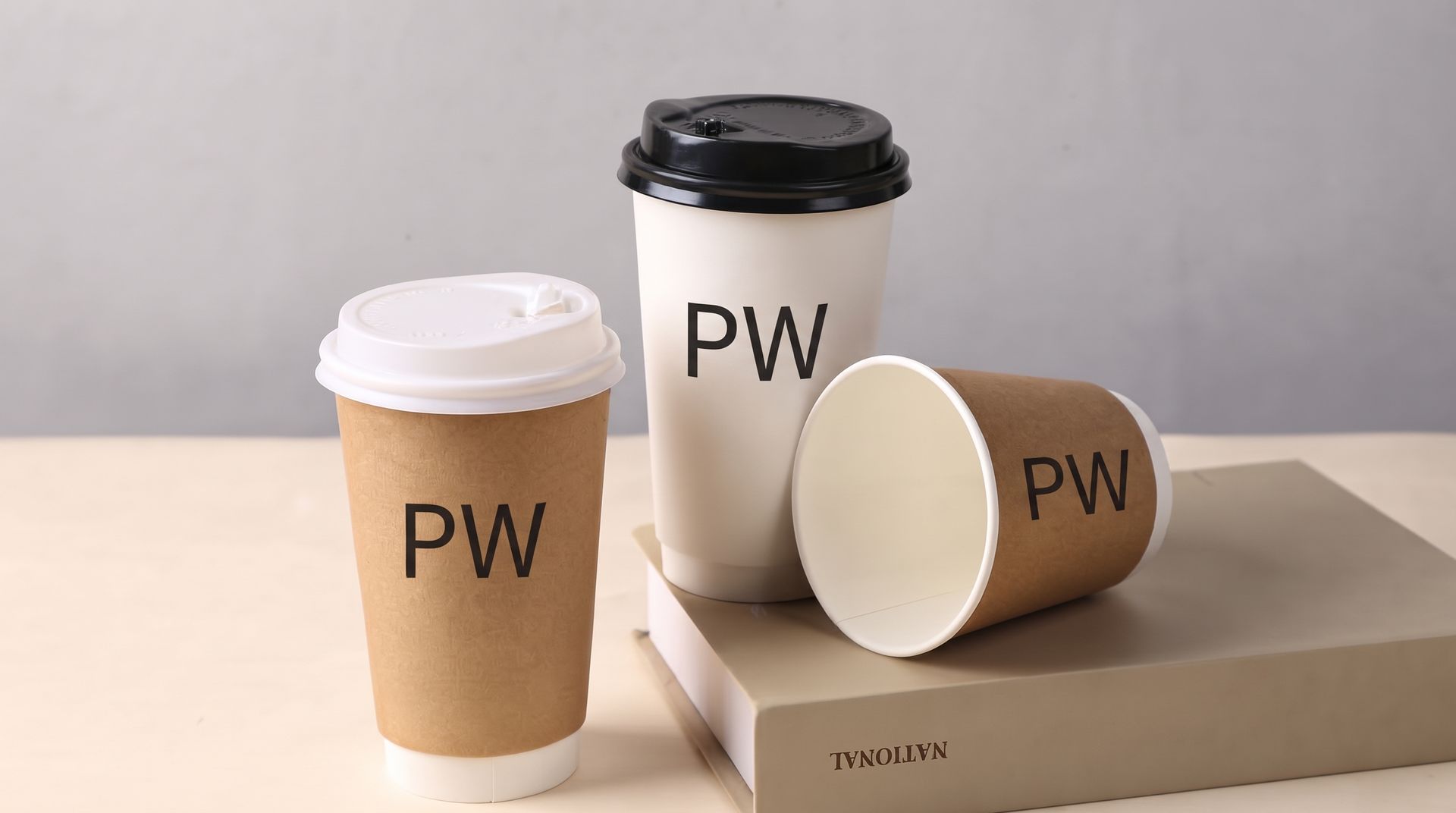
Whether you operate a bustling specialty espresso bar, a craft juice brand, or a high-volume catering venue, the cup in your customer’s hand is the most frequent physical touchpoint for your brand. A well-designed cup preserves liquid temperature, prevents messy lap spills, and turns every walk down the street into a mobile billboard for your business.
However, matching your beverage menu to the right packaging is rarely simple. Selecting the wrong cup type leads to burnt fingers, soggy sidewalls, leaking lids, or cloudy drink presentations that dull the visual appeal of a colorful iced latte. From heat-insulating double-wall paperboard to crystal-clear recyclable plastics and plant-based eco-alternatives, choosing the ideal container requires balancing structural engineering with brand aesthetics.
This guide breaks down every disposable and commercial cup category, standard sizing rules, lidding mechanics, and material options—helping you build a beverage program that protects your drinks, satisfies your customers, and maximizes your bottom line.
A Detailed Breakdown of Cup Materials
Whether you are outfitting a high-volume coffee shop, sourcing promotional merchandise, or curating an on-premise dining experience, selecting the right cup material directly impacts beverage quality, customer safety, and brand perception.
1. Disposable & Foodservice Packaging
Paper Cups: The undisputed staple of quick-service beverage retail. Constructed from food-grade paperboard, paper cups range from basic single-wall designs to insulated double-wall and corrugated ripple-wall variations. They require an internal poly (PE) or plant-based (PLA) coating to prevent liquids from weakening the seams. They offer an ideal surface for full-bleed custom branding, eco-messaging, and promotional artwork.
Plastic Cups: The go-to solution for cold drinks, specialty iced teas, smoothies, and boba. Engineered primarily from PET (ultra-clear and rigid) or PP (flexible and heat-tolerant), plastic cups maximize visual appeal by showcasing drink textures, colors, and toppings. They provide tight lid seals to prevent spills during delivery or carryout.
Foam (Expanded Polystyrene) Cups: Known historically for superior thermal insulation and low unit costs. Foam maintains hot or cold liquid temperatures for long periods while remaining cool to the touch. However, due to severe environmental concerns, municipal bans, and poor custom printing capabilities, foam has largely been phased out in favor of double-wall paperboard.
2. On-Premise & Dine-In Drinkware
Glass Cups: Designed for cafes, bars, and restaurants where presentation and taste purity are paramount. Glass is entirely non-porous, meaning it absorbs zero flavors, odors, or stains. High-clarity glass enhances the color and carbonation of craft cold brews, though it carries a higher risk of breakage in fast-paced environments.
Ceramic Cups: The traditional standard for coffee shop dine-in service, espresso bars, and office environments. Ceramic offers dense thermal mass, holding heat effectively for lattes, cappuccinos, and hot teas. Its durable glazed finish withstands heavy commercial dishwashing cycles, making it a cost-effective long-term reusable option.
3. Reusable, Specialty & Luxury Drinkware
Metal & Stainless Steel Cups: Popular across outdoor gear, fitness brands, and high-end promotional merchandise. Food-grade (18/8) stainless steel is virtually indestructible, corrosion-resistant, and non-reactive. When constructed with double-wall vacuum insulation, stainless steel keeps ice frozen or coffee steaming for hours.
Silver Cups: Reserved for luxury hospitality, ceremonial events, commemorative awards, and high-end heirloom gifts. Silver offers a distinct metallic luster, natural antimicrobial properties, and high prestige. However, it requires dedicated maintenance and polishing to prevent natural surface tarnishing.
Standard Sizes for Custom Cups
Choosing the right cup size profile prevents liquid waste, ensures accurate ingredient portioning, and streamlines back-of-house operations. Standardizing your sizes around industry-common rim diameters allows you to use a single lid size across multiple cup capacities.
Hot Cup Capacity Range
4 oz (Espresso & Tasting): The precise size for single or double espresso shots, macchiatos, cortados, and sample pours at promotional events.
8 oz (Small / Standard White): Ideal for traditional cappuccinos, flat whites, and small hot teas where milk-to-espresso ratios matter.
12 oz (Medium Standard): The undisputed benchmark size for specialty drip coffee, lattes, and hot chocolates.
16 oz (Large): Designed for high-volume coffee drinkers, Americanos, and hot lattes requiring extra steamed milk.
20 oz (Extra-Large): Popular in drive-thru units and convenience formats for high-volume hot beverages.
Cold Cup Capacity Range
12 oz (Small Cold): Best for small iced lattes, fresh juices, and children's cold beverages.
16 oz (Medium Cold): The standard size for iced coffees, cold brews, and nitro drinks.
20 oz (Large Cold): Engineered to hold extra ice volume alongside iced lattes, lemonades, and fountain sodas.
24 oz (Extra-Large / Boba): The industry standard for bubble tea, thick smoothies, blended frappés, and heavy ice drinks.
Rim Diameter Standardization
80 mm Rims: Fit small hot cups (typically 4 oz to 8 oz), minimizing drink surface exposure to retain heat.
90 mm Rims: The universal industry standard for 12 oz, 16 oz, and 20 oz hot paper cups, allowing cafes to stock a single hot lid SKU for their primary sizes.
98 mm Rims: The most common rim size across 12 oz through 24 oz clear PET cold cups, accommodating flat straw-slot lids, sip-thru lids, and wide-hole dome lids for whipped cream or boba straws
Popular Styles & Types of Cups (Hot vs. Cold)
When selecting hot drink packaging, the physical construction of the paperboard determines how effectively the cup retains temperature and protects the consumer's hand from scald risks.
Hot Beverage Cup Types
Single-Wall Paper Cups: Constructed from a single layer of food-grade paperboard lined with a moisture barrier. While single-wall cups are the most budget-friendly and space-efficient option for storage, high-temperature liquids () transfer heat directly through the surface. They are best paired with custom-printed corrugated cardboard sleeves to ensure customer comfort.
Double-Wall Paper Cups: Built with an integrated second paperboard layer that creates an insulating pocket of air between the inner lining and outer wall. This dual-layer thermal barrier keeps liquids hot while remaining cool to the touch. It eliminates the operational hassle, extra storage footprint, and added cost of separate cup sleeves.
Ripple-Wall / Textured Cups: Features a S-wave corrugated outer wall wrapped around the inner paperboard base. This distinct wavy texture provides maximum thermal insulation and a premium tactile grip that prevents slipping. It is a favored choice for premium espresso bars, outdoor events, and high-heat beverages like herbal teas and dark roasts.
Kraft vs. Bleached White Paperboard:
Kraft Paperboard: Unbleached, brown paperboard that delivers an earthy, organic, and eco-friendly aesthetic. It is ideal for minimalist, natural branding, though print colors appear darker and more muted.
Bleached White Paperboard: A bright, smooth white surface that acts as a blank canvas for high-contrast, full-color printing. It allows vibrant brand logos, detailed graphics, and sharp typography to pop off the cup.
Cold Beverage Cup Types
Cold drink packaging requires high structural clarity, spill resistance, and durability under ice weight. Selecting the right polymer ensures your beverages look appealing while maintaining strength during transport.
PET (Polyethylene Terephthalate) Cups: The undisputed industry gold standard for cold beverage presentation. PET delivers optical, glass-like transparency that highlights the rich colors, distinct layers, and fresh ingredients of iced coffees, layered boba, and fruit smoothies. It is crack-resistant, rigid under pressure, and widely accepted in standard curbside recycling streams (RIC #1).
PP (Polypropylene) Cups: A durable, slightly translucent plastic option known for its flexibility and temperature resilience. PP cups are heat-tolerant (up to / ), making them ideal for warm toppings or hot-fill liquids. Their smooth, uniform rim geometry allows them to form an airtight bond with plastic heat-seal films on automated bubble tea sealing machines.
Post-Consumer Recycled (rPET) Cups: Manufactured using recycled PET plastic flakes from consumer bottle streams, rPET cups deliver the same high optical clarity and shatter-proof strength as virgin PET. Utilizing rPET reduces raw fossil fuel extraction, lowers carbon emissions during production, and helps beverage brands meet circular economy and sustainability targets without sacrificing drink visibility.
Technical Considerations & Lidding Systems
A cup is only half the equation—matching the right drink formulation to its ideal container geometry, lid mechanism, and branding real estate is what prevents messy spills and drives repeat customer engagement.
Matching Drinks to Cup Types
Espresso & Macchiatos: 4 oz single-wall paper cups. Small volume minimizes rapid cooling, and low surface area maintains the espresso crema.
Iced Coffee & Lattes: 16 oz or 20 oz PET clear cups. Glass-like clarity highlights milk-to-coffee swirls, while rigid walls support heavy ice cubes without collapsing under grip pressure.
Boba & Bubble Teas: 20 oz or 24 oz PP cups. Flexible walls withstand broad-straw puncture forces, and smooth rims accommodate automated film-sealing machines.
Nitro Cold Brew: 16 oz PET clear cups paired with strawless sip lids. High clarity shows off the cascading nitrogen surge, while wide sip-spouts preserve the velvety micro-foam head.
Smoothies & Acai Bowls: 20 oz to 24 oz wide-mouth PET cups or double-wall paperboard (for extra insulation against outer condensation melting).
Lid Mechanics & Closure Types
Flat Straw-Slot Lids: Standard cross-cut entry for cold soft drinks, iced teas, and traditional straw use.
Sip-Thru Dome Lids: Elevated dome profile that accommodates whipped cream, thick cold foam, or beverage toppings without crushing them, featuring an open sip-hole for strawless drinking.
Turn-Style & Lock Lids: Premium hot drink closures with reclosable tabs or latching plugs, preventing sloshing during car commutes and delivery transit.
Heat-Seal Film Toppings: Polypropylene film seals melted directly onto PP cup rims via automated heat presses. Creates a 100% spill-proof, tamper-evident barrier ideal for delivery orders and boba drinks.
Print Area Real Estate & Layout Design
Full-Bleed Printing: Offset and flexographic printing techniques allow full 360-degree color coverage across the cup surface, turning everyday packaging into a mobile brand billboard.
The "Safe Zone" Boundary: Keep key logos and text at least 0.25 inches (6 mm) away from the top rim roll and bottom seal seam to avoid graphic distortion during high-speed cup forming.
Interactive Code Placement: Reserve a high-contrast white background block on the lower third of the cup wall for crisp QR codes, app-download links, or loyalty tracking tags to ensure instant camera scans.
Takeaways
Match Construction to Temperature: Use double-wall or ripple-wall paperboard to eliminate sleeves for high-heat coffee, and choose ultra-clear PET for visually dynamic iced drinks and smoothies.
Standardize Rim Diameters: Stick to industry-standard 90 mm rims for hot cups and 98 mm rims for cold cups to streamline lid inventory across multiple capacity sizes.
Pair Plastics with Application: Select rigid, high-clarity PET (or rPET) for crystal-clear presentation, and utilize heat-tolerant PP cups when heat-sealing film tops for delivery or boba.
Optimize Lidding Strategy: Align lid choices with drink builds—use sip-thru dome lids to preserve cold foam and whipped toppings, and lock-latching lids to prevent delivery spills.
Design with Print Boundaries: Leverage 360-degree full-bleed printing for maximum brand impact, ensuring high-contrast QR codes and critical logos stay clear of rim and bottom seam distortion zones.
Ready to turn every takeout drink into a walking billboard for your brand without sacrificing thermal performance or lid fit? At The Packaging World, we manufacture premium, custom-printed hot and cold cups engineered specifically for specialty cafes, juice bars, corporate event planners, and high-volume beverage brands.
Contact us at sales@thepackagingworld.com to request custom sample kits, get instant bulk volume pricing, or start your custom print artwork layout today.
Need custom packaging for your product?
Get pricing, samples, and expert advice — no commitment required.
Topics
Industries